Old Brompton Road Upholstery Cleaning for Local Shops
If you run a shop on or near Old Brompton Road, you already know how quickly fabric seating, waiting chairs, window benches and display-area upholstery can pick up dust, food marks and the general wear of daily footfall. Old Brompton Road upholstery cleaning for local shops is not just about appearance, either. It helps protect fabrics, supports a better customer experience, and keeps your premises feeling cared for without that tired, slightly neglected look that can creep in by Friday afternoon. Truth be told, people notice these things fast.
This guide walks through how the cleaning works, what it is best for, common mistakes to avoid, and how local shops can get a better result with less disruption. You will also find a practical checklist, a comparison table, and a few straight-talking tips that make planning easier. Nothing flashy. Just useful detail you can actually use.
- Why upholstery cleaning matters for local shops
- How the cleaning process works
- Key benefits and practical advantages
- Who needs this service and when it makes sense
- Step-by-step guidance
- Expert tips for better results
- Common mistakes to avoid
- Tools, resources and recommendations
- Law, compliance, standards and best practice
- Options, methods and comparison table
- Case study or real-world example
- Practical checklist
- Conclusion
- Frequently asked questions
Why Old Brompton Road upholstery cleaning for local shops Matters
Local shops rely on first impressions more than they sometimes admit. A clean counter is one thing. A spotless chair in the fitting room, a neat fabric bench in a waiting corner, or a fresh armchair near the till can quietly reassure a customer that the business is organised, thoughtful and open for trade. Upholstery is one of those details that people rarely praise when it is clean, but they do notice when it is not.
On Old Brompton Road, where businesses often serve a steady mix of locals, commuters and visitors, presentation matters every day, not just during a launch or seasonal refresh. Upholstery absorbs a surprising amount of dust, body oils, pollen, drink spills and airborne grime. Over time, that builds up in a way that simple surface wiping cannot fix. It can also make a space smell stale, especially in fabric-heavy interiors. That is a small problem until it becomes a customer-facing one.
There is also a practical side. Well-maintained upholstery tends to last longer. Regular cleaning can reduce wear from embedded grit and help fabrics keep their colour and structure. In busy retail or hospitality-adjacent settings, that matters because replacing seating is expensive and inconvenient. It is a bit like looking after your shoes instead of buying a new pair every few months. Sensible, really.
For shops with changing footfall throughout the week, upholstery cleaning also helps with hygiene expectations. Customers may rest, lean, or sit on the furniture without thinking twice. Staff do the same. A cleaner fabric surface is simply a better standard to maintain, and it often supports the rest of the cleaning routine you already keep in place through targeted one-off cleaning or a wider deep clean.
How Old Brompton Road upholstery cleaning for local shops Works
Professional upholstery cleaning is usually a careful, fabric-led process rather than a one-size-fits-all blast of water and detergent. Good cleaners start by checking the material type, existing marks, colour stability and drying needs. That early inspection matters because velvet, wool blends, microfibre, synthetic seating and leather-look materials all behave differently. Get the approach wrong and you can end up with shrinkage, watermarking or patchy results.
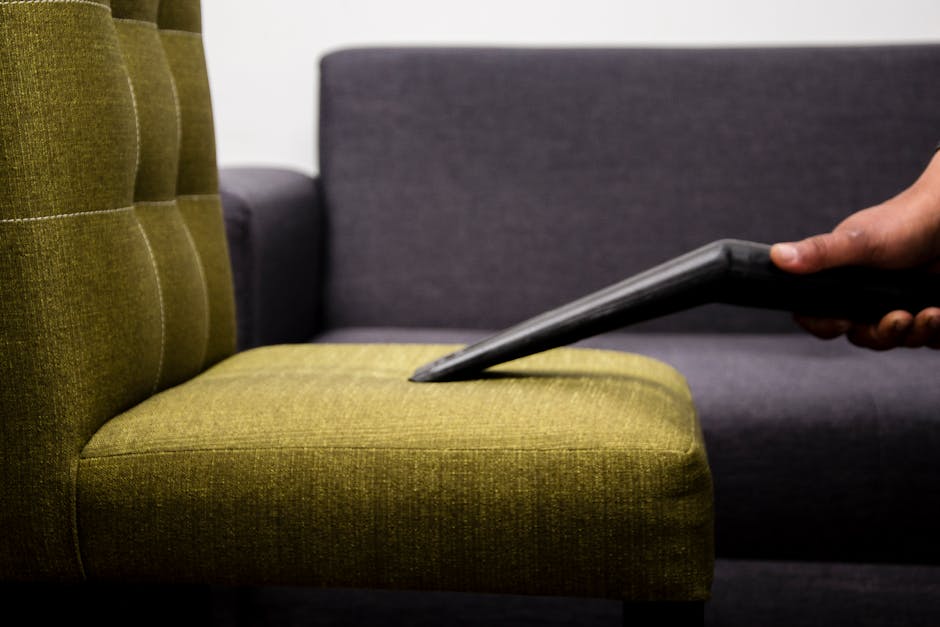
In most shop settings, the process follows a few clear stages. First comes vacuuming or dry soil removal. This removes loose grit and crumbs, which is important because rubbing dirt into damp fabric is a classic way to make things worse. Then comes pre-treatment of spots, grease marks or heavily used armrests. After that, the technician applies the chosen cleaning method, often with controlled moisture and extraction where suitable. Finally, the item is groomed and left to dry with airflow in mind.
For local shops, timing matters almost as much as technique. You do not want chairs still damp at opening time or scent lingering near display stock. A good cleaner will plan around trading hours, stock movement and any awkward access. That can mean early morning work, a quiet midweek window, or doing smaller sections at a time. It sounds simple, but it saves a lot of hassle.
Depending on the furnishing and condition, upholstery care may include:
- hot water extraction for suitable synthetic fabrics
- low-moisture cleaning for quicker drying and sensitive materials
- spot treatment for drink, ink or food marks
- odour neutralisation where smells have settled into the fabric
- protective aftercare advice so the clean lasts longer
If the shop has broader fabric areas, such as waiting benches alongside carpets and mats, it can make sense to coordinate with commercial carpet cleaning or office cleaning support so the whole customer area feels consistent.
Key Benefits and Practical Advantages
The obvious benefit is appearance. Clean upholstery looks better. But in real day-to-day shop life, the advantages are broader than that.
1. Better customer perception. Fresh seating and fabric finishes quietly reinforce trust. Nobody wants to sit on a stained bench while waiting to be served. Let's face it, people read a room fast.
2. Longer furniture life. Dirt particles act like fine sandpaper when they are rubbed into fabric. Regular cleaning helps preserve fibres and reduce dulling, which is especially useful for busy pieces near entrances or tills.
3. More comfortable staff spaces. Staff seating and break-area upholstery can get neglected because it is "back of house". Yet those chairs are used every day. Keeping them clean is a small morale boost, and usually worth it.
4. Better odour control. Fabrics trap smells from coffee, food, raincoats and street dust. Cleaning can help reset that background smell so the shop feels fresher overall.
5. Less visible wear between refits. A lot of shops do not replace seating frequently. Proper care helps the furniture hold up until the next redesign, which is handy when budgets are tight. No drama, just less replacement pressure.
6. Flexible scheduling. Many shops can arrange cleaning before opening, after closing or during quieter days. That keeps disruption lower than many people expect.
There is also a broader operational benefit. A well-kept interior tends to reduce complaints and keep the space aligned with the rest of the business. If your shop is already investing in polished floors, bright windows and tidy displays, it makes sense not to let the seating look like the odd one out. Pairing upholstery care with window cleaning or hard floor cleaning can make the whole front-of-house feel sharper in one go.
Who This Is For and When It Makes Sense
This service suits a wide range of local businesses, not just high-end retailers. If your shop has any upholstered furniture that customers or staff see regularly, it is probably relevant.
- boutiques with fitting-room chairs or sofa seating
- salons, barbers and beauty spaces with waiting-area seating
- small cafes and takeaway shops with upholstered benches
- bookshops and lifestyle stores with lounge-style displays
- medical, wellness or consultation spaces with client seating
- showrooms that use soft furnishings to create a more premium feel
It also makes sense after a busy trading period, seasonal promotions, refurbishments or any time a fabric area starts looking patchy. Some shops wait until stains are obvious. That usually means they are already paying the price in appearance. A better approach is to clean before upholstery looks tired, not after. Bit of a boring rule, but it works.
For business owners who already arrange broader cleaning support, it can be helpful to keep upholstery maintenance alongside other recurring tasks such as office cleaners for staff areas or a dependable cleaning company for coordinated maintenance. It keeps communication simpler and avoids the "who is doing what?" problem that crops up when too many providers are involved.
If you are unsure whether your furniture needs a full clean yet, a quick test is to look at armrests, headrest areas and seams. That is usually where build-up shows first. If those areas look dull even after routine wiping, the fabric probably needs a deeper treatment.
Step-by-Step Guidance
Here is a sensible way to plan upholstery cleaning for a local shop without turning it into a logistical headache.
- Identify the items that need attention. Make a short list of chairs, benches, stools, banquettes or soft waiting furniture. Note the fabric type if you know it, plus any obvious stains or odours.
- Check access and timing. Decide whether cleaning can happen before opening, after close, or in stages. If the shop is narrow or busy, staggered cleaning often works better.
- Ask for a fabric-safe approach. Different materials need different methods. Good providers should talk plainly about what they plan to use and why.
- Move or protect nearby stock. If upholstery sits close to displays, till areas or delicate merchandise, make sure those items are covered or relocated first.
- Pre-vacuum the furniture. If this is being done in-house before the appointment, get the loose debris off first. That always helps. Always.
- Treat spots before the main clean. Marking, spills and concentrated dirt often need separate attention. Do not assume one pass will solve everything.
- Allow proper drying time. Ventilation matters. Open access to air movement where possible, and avoid using the furniture too soon.
- Review the result and note follow-up needs. Some older stains may lighten rather than disappear. It is better to know what has improved and what still needs future care.
A small but useful tip: if you have several upholstered items, do the most visible ones first. The chair by the window, the bench in the entrance, the seating nearest the counter. Those are the pieces customers see fastest, so they shape perception before anything else does.
Expert Tips for Better Results
In our experience, the best upholstery cleaning results come from prep, patience and realistic expectations. Not magic. Just good basics done properly.
Choose the right method for the fabric. A delicate textile may need less moisture and gentler agitation than a synthetic seat in a high-traffic waiting area. The cleaner should explain the method in plain English, not hide behind jargon.
Act early on spills. Fresh marks are usually easier to treat than old ones. A coffee splash dealt with the same day is often a very different job from a stain that has baked in for months.
Keep an eye on repeat-use spots. Armrests, seat fronts and top edges pick up body oils and dirt quicker than the rest. Those areas may need more frequent attention than the whole item.
Use airflow after cleaning. Good drying is part of good cleaning. Fans, open doors and sensible scheduling all help. Damp furniture in a closed shop can feel a bit musty, which is exactly what you are trying to avoid.
Combine tasks where practical. If your shop is already due for other maintenance, you may get better overall value by combining upholstery care with deep cleaning or a one-off clean. Less back-and-forth, fewer interruptions.
Keep a short care note. A simple note telling staff what not to do after cleaning - no harsh scrubbing, no drinks on certain chairs, no wet cloths on fresh fabric - can prevent a lot of avoidable damage. Slightly dull advice, maybe, but very useful.
Common Mistakes to Avoid
Most upholstery problems in shops come from a few predictable errors. The good news is they are avoidable.
- Using too much water. Over-wetting can leave marks, prolong drying and sometimes damage internal padding.
- Scrubbing stains aggressively. That can spread the mark or rough up the fibres. Gentle treatment is usually smarter.
- Ignoring the fabric label or care notes. If the material has known limitations, treat that seriously. Guessing is expensive.
- Cleaning only when furniture looks dreadful. By then, some stains have set and wear patterns are already established.
- Forgetting the surrounding area. If carpet, floor edging or window glass still looks dirty, the upholstery clean will not have the impact it should.
- Booking without checking access. Tight spaces, stock rails and busy entrances can slow everything down if nobody plans ahead.
One of the easiest mistakes to make is assuming every "stain" is the same. A drink spill, body oil, dust loading and dye transfer all behave differently. If a provider does not ask about the source of the mark, that is a small red flag. Not a disaster. Just worth noting.
Tools, Resources and Recommendations
You do not need a van full of gadgets to understand upholstery care, but it helps to know what a proper approach usually involves. The exact tools vary by fabric and condition, yet a good cleaner will often use a combination of the following:
- commercial vacuuming equipment with upholstery attachments
- spot-treatment products matched to the stain type
- fabric-safe cleaning solutions
- controlled extraction or low-moisture systems
- microfibre cloths and absorbent towels for detail work
- air movement or drying support where needed
From a planning point of view, it also helps to keep a simple internal record of:
- which furniture pieces were cleaned
- when they were last cleaned
- any fabrics that need special handling
- problem areas that keep reappearing
- follow-up actions, such as replacement pads or protective covers
If your business already uses professional upholstery cleaning as part of its maintenance plan, that record becomes surprisingly handy. It helps you decide whether you need a light refresh, a more detailed treatment, or a combined service with sofa cleaning for larger lounge furniture.
There is no need to overcomplicate it. The best setup is the one that keeps your shop looking fresh with the least disruption. Simple, consistent, and properly timed.
Law, Compliance, Standards, or Best Practice
For shops, upholstery cleaning is usually less about formal compliance rules and more about sensible duty of care, safe working practices and keeping the premises suitable for staff and customers. In the UK, businesses should think carefully about safe use of cleaning products, ventilation, slip risk from damp floors, and how cleaning is managed around opening hours.
That means a few practical things. Cleaning should not leave walkways wet or cluttered. Equipment needs to be stored safely. Any products used should be handled according to the supplier instructions. If upholstered items are in customer-facing areas, the business should also consider whether cleaning creates trip hazards, lingering smells or access problems for people with mobility needs. Common sense, really, but it deserves saying.
From a best-practice angle, it is sensible to work with a provider that can speak clearly about safety and process. You may want to review their health and safety policy and insurance and safety information so you know how they approach risk, access and responsibility. If your own shop has internal procedures, line them up before the appointment. That keeps everyone calmer on the day.
For businesses that value transparency in hiring and supply chains, it is also reasonable to look at wider company information such as the about us page and the terms and conditions before booking. Those pages do not clean the sofa for you, of course, but they do help you understand who you are dealing with and how they operate.
Options, Methods, or Comparison Table
Different upholstery situations call for different methods. Here is a simple comparison to help you think it through.
| Method | Best for | Advantages | Watch-outs |
|---|---|---|---|
| Hot water extraction | Synthetic fabrics, heavy use, general soiling | Deep soil removal, strong refresh, good for embedded dirt | Longer drying time, not suitable for every material |
| Low-moisture cleaning | Sensitive fabrics, quicker turnaround, light to moderate soiling | Faster drying, reduced disruption | May need more careful pre-treatment on stubborn stains |
| Spot treatment only | Isolated marks or small problem areas | Fast, targeted, minimal disturbance | Not enough for overall dullness or general build-up |
| Full upholstery refresh | Mixed wear, visible ageing, customer-facing furniture | Improves the whole look of the piece | May require more planning and drying time |
If you are unsure which route is best, it is often better to start with the least aggressive method that will still do the job properly. Over-cleaning is a thing. People do not talk about it much, but it happens.
Case Study or Real-World Example
Imagine a small shop on Old Brompton Road with two fabric benches near the entrance, a waiting chair in the back, and a few soft stools used by staff. Nothing dramatic. Just ordinary business furniture that has slowly picked up dust, faded patches and the odd coffee ring. Customers start to arrive, glance at the seating, and sit a little more carefully than they should. That tells you enough.
The owner arranges a cleaning visit before opening on a quiet weekday. The benches are inspected, vacuumed, treated for the more visible marks and cleaned using a fabric-safe method chosen for the upholstery type. The waiting area is left to dry with good airflow, and the staff stools are done at the same time because, well, it would be daft not to.
By the afternoon, the room feels lighter. Not dramatically different in a cinematic sense. Just cleaner, fresher, and more aligned with the rest of the shop. The owner notices that the entrance no longer smells faintly of old raincoats and dust. Small win, but a real one. And that is usually how these jobs pay off - not in a huge reveal, but in a steady improvement you can feel when you walk through the door.
In cases like this, combining the upholstery work with window cleaning or hard floor cleaning can make the whole front-of-house look more intentional, not just tidier.
Practical Checklist
Use this checklist before booking upholstery cleaning for a local shop.
- Identify all upholstered items in customer and staff areas.
- Note any fabric labels, care tags or special instructions.
- List the most visible stains, odours and wear points.
- Choose a cleaning window that avoids peak trading times.
- Clear nearby stock, signage and fragile items.
- Confirm whether the method suits the fabric type.
- Ask how long drying is likely to take.
- Make sure floors around the work area can be kept safe and dry.
- Plan ventilation after the clean.
- Schedule a follow-up date for future maintenance.
If you can tick most of those off, you are in good shape. If not, it is worth taking another look before you book. A little planning saves a surprising amount of awkwardness later.
Conclusion
Old Brompton Road upholstery cleaning for local shops is one of those services that quietly improves everything around it. The furniture looks better, the shop feels fresher, and the space gives off a more cared-for impression without shouting about it. For local businesses, that matters. Customers pick up on comfort, cleanliness and detail more than we sometimes assume.
The key is to choose a fabric-safe method, plan around trading hours and treat upholstery as part of your wider maintenance routine rather than an occasional panic job. Done well, it helps protect your furnishings and keeps your front-of-house feeling calm, clean and ready for the day.
Get a free quote today and see how much you can save.
And if you are still weighing it up, that is fair enough. The best next step is simply to look at the furniture with fresh eyes and decide what would make the biggest difference first. Usually, the answer is obvious.
Frequently Asked Questions
How often should local shops book upholstery cleaning?
It depends on footfall, fabric type and how visible the furniture is to customers. High-use seating may need attention more often than staff-only items. A practical approach is to clean before visible wear becomes obvious, rather than waiting until stains are deeply set.
Can upholstery cleaning be done outside trading hours?
Yes, and for many shops that is the easiest option. Early morning or after-close appointments reduce disruption and give the furniture time to dry before customers arrive. If the shop is busy, staggered cleaning can work well too.
Will the cleaning remove every stain?
Not always. Fresh marks usually respond better than older ones, and some stains have permanently altered the fibres. A good cleaner should be honest about what can be improved, what may lighten, and what may remain visible.
Is upholstery cleaning safe for delicate fabrics?
It can be, but only if the right method is used. Delicate fabrics often need lower moisture, gentler agitation or more targeted treatment. That is why fabric inspection matters at the start.
How long does shop upholstery take to dry?
Drying time varies based on fabric, cleaning method, airflow and room conditions. Low-moisture methods tend to dry faster, while deeper extraction methods can take longer. Good ventilation makes a noticeable difference.
What upholstery items in a shop are easiest to overlook?
Staff chairs, waiting-room benches, soft stools near storage areas and display seating are often forgotten. They may not look dramatic day to day, but they accumulate dirt and wear just like customer-facing furniture.
Should upholstery cleaning be combined with other services?
Often, yes. If the shop also needs carpets, floors or windows refreshed, combining services can make the whole space look more consistent and reduce repeat disruption. It is usually the more efficient route.
Does upholstery cleaning create strong smells?
It should not leave a harsh smell if suitable products are used and the furniture is allowed to dry properly. A faint cleaning scent may be present at first, but stale odours should reduce rather than get worse.
What should I do before the cleaners arrive?
Clear access, move stock away from the work area, note any fragile items, and flag the furniture that needs the most attention. If you know of any care labels or fabric issues, share that information in advance.
How do I know whether the service provider is trustworthy?
Look for clear explanations, sensible scheduling, and straightforward information about safety, insurance and terms. A provider who answers plainly and asks the right questions is usually a better sign than one making big claims with no detail.
Can upholstery cleaning help with odours as well as stains?
Yes, in many cases. Fabrics can hold smells from food, drinks, smoke, damp coats and general daily use. Cleaning can reduce that background odour, although persistent smells may need a more targeted treatment.
Is there any point cleaning older furniture, or should I just replace it?
That depends on the condition of the frame and fabric. If the furniture is structurally sound, cleaning can often extend its usable life and improve the look enough to delay replacement. Sometimes a clean buys you a lot of extra time.
Where can I learn more about the company before booking?
It is sensible to review the about us page, along with the provider's pricing and quotes information and contact details. That helps you understand how they work and what to expect before you commit.